An AI recruitment tool can reject a qualified candidate before a hiring manager has even reviewed their application. A performance algorithm can influence an employee’s promotion prospects, while workforce monitoring software can shape decisions about productivity, scheduling and continued employment. These systems are attracting closer scrutiny as organizations try to establish whether their automated decisions are accurate, fair and defensible.
The scale of workplace automation helps explain the growing attention. An OECD survey of more than 6,000 managers across six countries, published in December 2025, found that 90% of surveyed US managers worked in firms using at least one algorithmic management tool. Adoption averaged 79% across France, Germany, Italy and Spain, compared with 40% in Japan.
Nearly two-thirds of managers using these systems reported concerns about their effects on workers. Unclear accountability when an automated decision goes wrong was the most commonly reported problem.
As AI becomes involved in more employment decisions, auditing is becoming an important part of workplace technology governance. The focus is no longer limited to checking whether recruitment software produces biased results. Organizations increasingly need to understand how automated recommendations influence decisions throughout an employee’s time at work.
AI Auditing Is Moving Beyond Recruitment
Recruitment remains one of the most visible areas of concern. Employers use automated systems to screen applications, rank candidates, assess skills and support video interviews. However, similar technologies are increasingly influencing decisions involving existing employees.
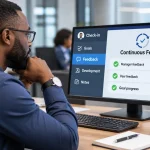
Performance management platforms can analyze employee activity, generate performance summaries and identify workers who may be falling behind targets. Other systems help managers allocate shifts, assess productivity or identify employees for additional training.
Generative AI introduces another layer of complexity. A manager might use an AI assistant to summarize employee feedback, prepare an annual performance review or compare workers against promotion criteria. The tool may not make the final decision, but its output can influence the manager’s assessment.
This creates an auditing challenge. Companies cannot concentrate exclusively on software formally purchased by their HR departments. They also need to understand how employees and managers use AI tools in everyday workplace decisions.
What Employers Are Actually Checking
One of the clearest accounts of current employer practices comes from the UK’s Information Commissioner’s Office (ICO). Its November 2026 report, Recruitment Rewired, examined evidence voluntarily provided by more than 30 employers between March 2025 and January 2026.
The regulator examined how organizations use automated recruitment systems, including their approach to transparency, fairness, data protection and human oversight. Its findings revealed a gap between how employers believed their systems worked and how automated decisions were actually being made.
Employers generally described recruitment software as decision-support technology because hiring managers were involved in reviewing its recommendations. However, the ICO found that some managers relied heavily on automated suitability scores, particularly when processing large numbers of applications.
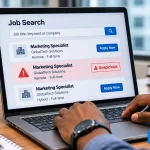
In one example, a recruitment system assigned candidates red, amber or green ratings. Managers prioritized applicants with green ratings but sometimes barely examined the applications of candidates marked red before rejecting them.
The ICO warned that simply having a manager approve an automated recommendation does not establish meaningful human involvement. The person reviewing the result must have enough information, authority and discretion to change it.
This distinction is becoming central to workplace AI audits. Organizations need to establish whether employees responsible for consequential decisions are genuinely evaluating AI recommendations rather than automatically accepting them.
Testing AI Systems for Bias and Accuracy
Another major part of an audit is examining whether an AI tool produces unfair outcomes for particular groups. Recruitment algorithms, for example, may favor candidates whose profiles resemble those of people previously hired by the organization.
Historical recruitment data can contain patterns of discrimination. Training a model on that information without proper assessment can reproduce those patterns in future hiring decisions.
Employers and independent auditors therefore examine selection rates, scoring outcomes, training data and the criteria used to assess applicants. They may also request evidence from software providers about the demographic groups represented in their training datasets and the fairness tests already conducted.
The ICO reported examples of employers running trials before adopting recruitment tools, requesting bias-testing information from developers and using dashboards to monitor outcomes. Some conducted monthly bias reviews to identify possible problems after deployment.
Accuracy is equally important. An assessment tool might consistently score candidates but still measure qualities that have little connection with actual job performance. Employers need evidence that the system evaluates relevant skills rather than communication styles, personal characteristics or unrelated behavioral patterns.
Regulations Are Making Independent Audits More Important
Regulatory requirements are providing another reason for organizations to examine their workplace AI systems.
New York City’s Local Law 144 requires employers and employment agencies using covered automated employment decision tools to obtain an independent bias audit within the preceding year. The law also requires a public summary of the audit results and advance notice to affected candidates or employees.
The audit examines selection or scoring rates across sex, race and ethnicity categories, including intersectional categories. Importantly, completing the assessment does not automatically establish that a system complies with other discrimination laws.
The enforcement challenge is also significant. A New York State Comptroller’s audit found at least 17 potential instances of non-compliance among 32 companies examined. The city’s regulator had identified only one issue in its review of the same companies.
The difference raised questions about whether the authorities responsible for enforcing AI audit requirements had sufficient technical capacity to identify non-compliance.
In Nigeria, the Nigeria Data Protection Act 2023 also provides relevant protections. Section 37 addresses decisions based solely on automated processing that produce legal or similarly significant effects. Subject to specified exceptions, individuals are entitled to safeguards including human intervention, an opportunity to express their views and the ability to contest decisions.
These provisions do not introduce a universal annual workplace AI bias-audit requirement, but they make automated employment decisions a data-protection consideration for organizations operating in Nigeria.
The Problem With Relying on Software Vendors
Many organizations depend on external providers for recruitment platforms, employee analytics and other HR technologies. Although vendors may supply documentation and testing reports, the employer still needs to understand how the product operates within its own processes.
A system tested using one organization’s recruitment data may produce different outcomes when another company uses different job descriptions, applicant populations or assessment criteria.
Employers also need to establish who is responsible when a recommendation produces an unfair outcome. A contract with a technology provider does not remove the organization’s responsibility to assess how it uses the software.
That requires clear records of the tools being used, the decisions they influence, the information they process and the people responsible for reviewing their outputs. Risk assessments and regular monitoring should also be updated when software features or workplace practices change.
AI Accountability Will Follow Employees Beyond Hiring
Recruitment is an obvious starting point for workplace AI auditing, but the more difficult questions concern decisions made after someone joins an organization.
When automated systems influence performance assessments, promotion opportunities, work allocation and dismissal recommendations, an inaccurate score can have consequences that extend well beyond a single hiring decision.
For HR teams, the challenge is to understand where AI influences these decisions and whether the evidence supporting its recommendations is reliable. Employees also need to know when automated assessments affect their careers and have meaningful opportunities to challenge inaccurate outcomes.
The growth of workplace AI will not be measured only by how much time organizations save through automation. Increasingly, they will also have to demonstrate that the systems influencing people’s employment are being properly examined, monitored and held accountable.